Viltnemnda: Understanding Norway’s Local Wildlife Management System
 Musannaf seo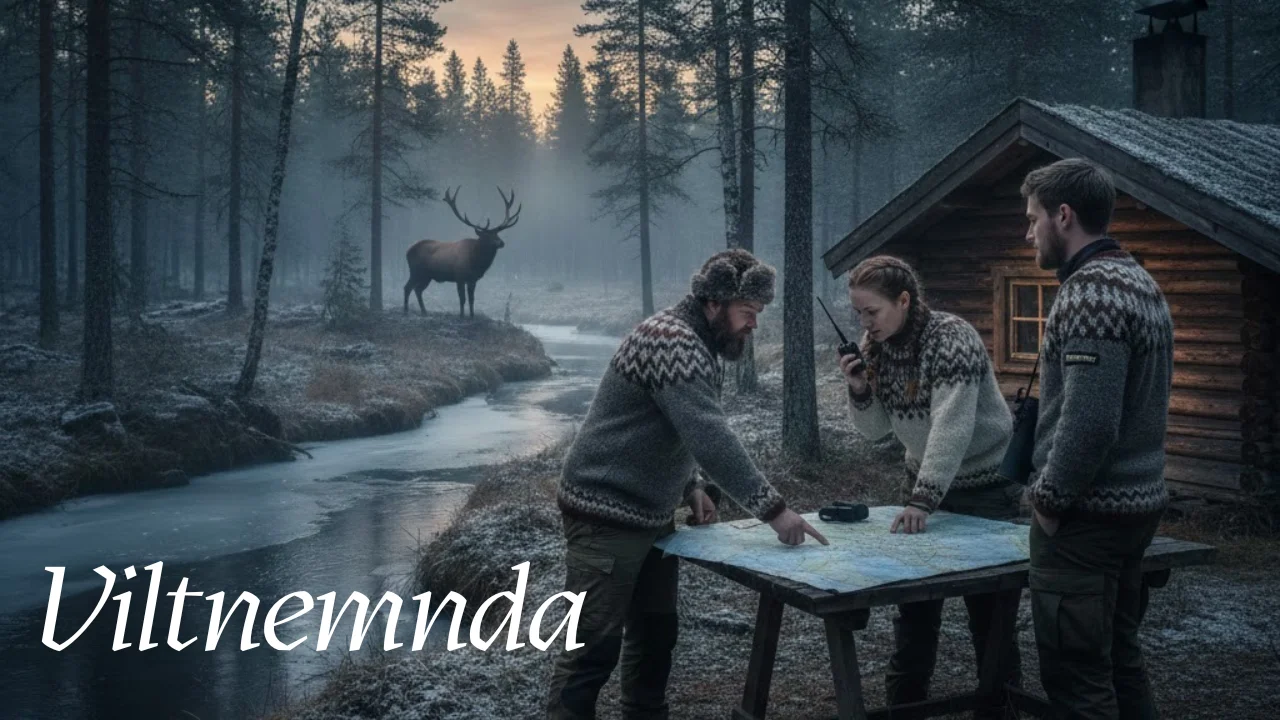
Municipal viltnemnda committees play a central role in managing wildlife across Norway.
Norway’s landscapes feel wild and untouched, yet they are carefully managed through structured systems designed to protect both nature and people. One of the most important parts of that system is viltnemnda, a local wildlife committee operating at the municipal level. While it rarely appears in headlines, viltnemnda influences hunting, conservation, farming safety, and daily life across rural and urban areas.
This article explains what viltnemnda is, how it works, and why it matters. You’ll also see how local decision-making helps Norway manage wildlife in a practical and sustainable way.
What Is Viltnemnda?
Viltnemnda is a municipal wildlife management committee in Norway. Each municipality appoints its own viltnemnda to oversee issues related to wild animals, especially game species such as moose, deer, and wild reindeer. The committee acts within national wildlife laws but focuses on local conditions.
Instead of relying only on centralized authorities, Norway allows municipalities to manage wildlife challenges close to where they occur. Viltnemnda becomes the link between national environmental policy and real-world situations faced by residents, landowners, and hunters.
Basic Structure of Viltnemnda
Viltnemnda operates under local government authority but follows national legal frameworks. Members are usually selected for their experience rather than political background.
| Element | Description |
|---|---|
| Administrative level | Municipal |
| Legal foundation | Wildlife Act (Viltloven) |
| Appointed by | Municipal council |
| Member background | Hunting, farming, forestry, conservation |
| Main responsibility | Local wildlife management |
Legal Framework Governing Viltnemnda
The Wildlife Act provides the legal backbone for viltnemnda’s authority. The law treats wildlife as a shared national resource rather than private property. At the same time, it recognizes that wildlife impacts landowners, farmers, and communities.
Viltnemnda must operate within national rules on conservation, hunting seasons, and protected species. When decisions involve sensitive topics such as predators or endangered animals, higher authorities may step in with final approval.
Key Responsibilities of Viltnemnda
Wildlife Population Monitoring
One of the primary responsibilities of viltnemnda is tracking wildlife populations. This includes collecting data from hunters, road authorities, and environmental surveys. Population estimates help guide decisions on hunting quotas and damage prevention.
Members often rely on long-term trends rather than short-term observations. A single harsh winter or mild season does not usually trigger major changes unless supported by consistent data.
Hunting Quotas and Local Adjustments
Viltnemnda contributes to decisions about hunting quotas for large game. National authorities define overall frameworks, but municipalities adjust numbers based on local conditions such as population density, traffic accidents, and crop damage.
For example, areas with frequent moose-vehicle collisions may recommend higher harvest numbers. Regions with declining populations may reduce quotas to allow recovery.
Managing Wildlife Damage and Complaints
Wildlife damage affects agriculture, forestry, and residential safety. Viltnemnda reviews reports related to crop loss, livestock attacks, and property damage caused by wild animals.
Instead of immediate lethal solutions, committees often recommend preventive measures such as fencing, deterrents, or adjusted hunting strategies. Severe or repeated cases may be escalated to county authorities.
How Viltnemnda Uses Local Knowledge
Local insight plays a central role in viltnemnda’s work. Committee members typically live in the same areas affected by wildlife decisions. They notice changes in migration routes, feeding patterns, and animal behavior that may not appear in national statistics.
This localized awareness allows faster responses to emerging issues. Changes in land use, logging, or infrastructure often alter wildlife movement, and local committees detect these patterns early.
Cooperation With National and Regional Authorities
Viltnemnda does not operate independently from the rest of the government. County governors and national environmental agencies provide guidance, data, and oversight. Complex issues such as predator management require coordination across multiple levels.
The cooperative model helps align local decisions with national conservation goals while maintaining flexibility for regional differences.
Viltnemnda and Large Predator Management
Wolves, Bears, and Regional Sensitivities
Large predators create strong emotional responses in many communities. While viltnemnda does not always make final decisions on predators, it provides local assessments that influence policy outcomes.
Members document sightings, livestock losses, and public concerns. This information becomes part of broader evaluations carried out by regional or national authorities.
Balancing Protection and Safety
Predator management involves balancing conservation commitments with human safety and livelihoods. Viltnemnda contributes local context to decisions that might otherwise rely solely on population models or legal thresholds.
Rural grazing areas, for example, face different challenges than forested regions with limited livestock presence.
Role of Viltnemnda in Supporting Sustainable Hunting
Hunting remains an important cultural and practical activity in Norway. Viltnemnda helps preserve hunting traditions while ensuring sustainability.
Clear rules, transparent quotas, and predictable decision-making create trust between hunters and authorities. Hunters who understand the reasoning behind quotas are more likely to comply with regulations and submit accurate reports.
Data Sources Used by Viltnemnda
Reliable data supports effective wildlife management. Viltnemnda combines scientific methods with field-based observations.
| Data Source | Purpose |
|---|---|
| Hunter harvest reports | Population trends |
| Road accident records | Overpopulation indicators |
| Landowner complaints | Damage assessment |
| Field observations | Behavior and migration |
Challenges Facing Viltnemnda Today
Climate Change and Environmental Shifts
Changing climate patterns affect wildlife behavior across Norway. Milder winters influence survival rates, breeding cycles, and migration routes. Traditional data models sometimes struggle to reflect these shifts.
Viltnemnda must adapt to uncertainty while continuing to make practical decisions.
Public Debate and Conflicting Expectations
Wildlife decisions often trigger public disagreement. Farmers, conservationists, hunters, and urban residents may hold opposing views. Viltnemnda members must navigate these pressures while remaining legally and scientifically grounded.
Public meetings and transparent communication help reduce misunderstanding, even when consensus is impossible.
Comparing Viltnemnda With Other Countries’ Models
Norway’s local committee system differs from wildlife management approaches in many countries.
| Country | Management Model |
|---|---|
| Norway | Municipal wildlife committees |
| United States | State wildlife agencies |
| Sweden | Regional boards |
| Germany | Federal and state control |
Why Viltnemnda Matters at the Community Level
Viltnemnda influences daily life in ways many people do not immediately notice. Decisions affect road safety, food production, land use, and ecological balance.
Without local committees, wildlife management would rely heavily on distant authorities, increasing the risk of mismatched policies and unresolved conflicts.
Practical Guidance for Residents and Landowners
Residents can engage constructively with viltnemnda by reporting wildlife sightings, damage incidents, and safety concerns accurately. Early communication helps prevent escalation.
Landowners benefit from understanding how decisions are made and what preventive options exist before requesting extreme measures.
The Future of Viltnemnda
Technological tools such as GPS tracking, digital reporting, and shared databases are gradually influencing how viltnemnda operates. These tools improve accuracy while maintaining the value of local insight.
As environmental challenges grow more complex, local decision-making remains an essential component of sustainable wildlife governance.
Conclusion
Viltnemnda represents a uniquely Norwegian approach to wildlife management. By combining national law with local experience, it creates a system that responds to real conditions rather than abstract models. Its work supports conservation, public safety, and traditional livelihoods at the same time.
Understanding viltnemnda helps explain how Norway maintains healthy wildlife populations while allowing people and nature to coexist across diverse landscapes.
About the Author




 Musanaf seo