Musanaf seo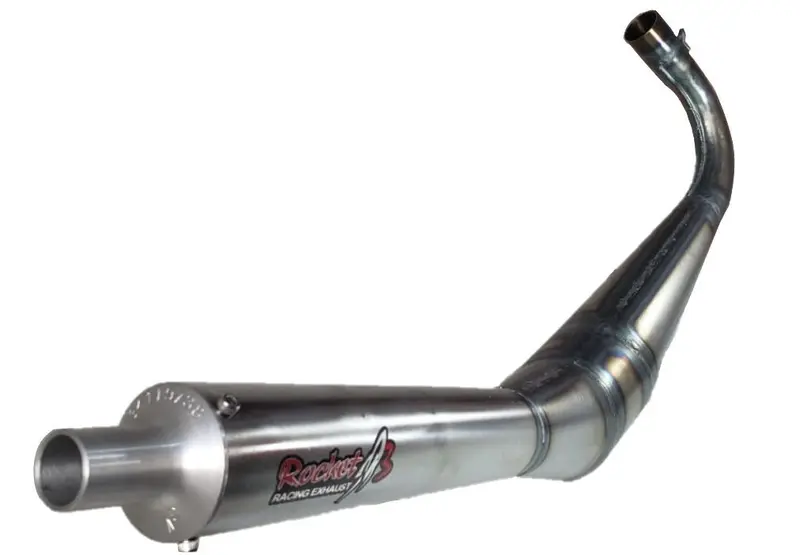
Escapamento RD is a key two-stroke exhaust system that shaped Yamaha RD motorcycles’ performance and culture.
The Yamaha RD series remains one of the most influential motorcycle lines ever produced. At the heart of its performance, sound, and identity lies a uniquely engineered exhaust system that shaped how two-stroke motorcycles were built, tuned, and experienced. This article explores the engineering principles, historical evolution, performance characteristics, maintenance practices, aftermarket developments, and modern relevance of the RD exhaust system in a clear and authoritative way.
1. Origins of the RD Exhaust System
During the 1970s and 1980s, Yamaha pushed two-stroke technology to new limits with the RD lineup. Models such as the RD125, RD250, RD350, and later liquid-cooled variants were designed for riders who demanded lightweight agility and explosive acceleration. The exhaust was never an afterthought. Engineers treated it as a performance-critical component rather than a simple gas outlet.
The escapamento rd emerged from this philosophy. Its design relied on tuned exhaust resonance rather than restrictive silencing, allowing the engine to actively reuse pressure waves for combustion efficiency. This approach separated the RD series from many competitors of the era.
2. Two-Stroke Exhaust Engineering Explained
Two-stroke engines operate differently from four-stroke engines. Intake, compression, combustion, and exhaust processes overlap, which creates both opportunities and challenges. Without proper exhaust control, a fresh air-fuel mixture can escape before ignition, reducing power and efficiency.
2.1 Expansion Chamber Function
The RD exhaust uses an expansion chamber composed of carefully shaped cones and diameters. These shapes control pressure waves created during combustion. When exhaust gases exit the cylinder, they generate a high-pressure wave that travels down the pipe. As it encounters changes in pipe diameter, the wave reflects back toward the cylinder.
At the correct timing, this reflected wave pushes the unburned mixture back into the combustion chamber just before the exhaust port closes. This process increases cylinder filling and produces a noticeable surge in power within a specific RPM range.
2.2 Key Structural Sections
A typical RD exhaust consists of:
- Header pipe: Determines initial gas velocity and torque response
- Diffuser cone: Expands gases and initiates wave reflection
- Belly section: Controls volume and resonance timing
- Converging cone: Sends pressure waves back toward the cylinder
- Stinger: Regulates final backpressure and heat dissipation
Each dimension is calculated to match engine displacement, port timing, and intended RPM range.
3. Performance Characteristics and Power Delivery
One defining trait of RD motorcycles is their distinct powerband. Below a certain RPM, power delivery feels smooth but modest. Once the exhaust resonance aligns with engine speed, power increases rapidly. Riders often describe this as the engine “coming on the pipe.”
The escapamento rd plays a direct role in this behavior. Its tuning determines:
- Where peak power occurs
- How aggressive the power surge feels
- Whether the engine favors low-end torque or top-end speed
Race-focused exhausts push power higher in the RPM range, while street-oriented designs aim for smoother mid-range usability.
4. Sound Profile and Acoustic Identity
RD motorcycles are instantly recognizable by sound alone. The sharp, high-frequency exhaust note results from rapid pressure wave movement and minimal restriction. Unlike four-stroke engines that produce deeper tones, two-strokes generate a crisp, mechanical sound that rises quickly with RPM.
This acoustic signature is not only emotional but functional. Changes in tone often signal jetting issues, carbon buildup, or exhaust leaks. Experienced riders can diagnose problems simply by listening.
5. Materials and Manufacturing Evolution
Original RD exhausts were made primarily from mild steel. This material was easy to shape and weld but prone to corrosion and fatigue over time. Modern reproductions and aftermarket systems have evolved significantly.
5.1 Modern Material Choices
Today’s manufacturers commonly use:
- Stainless steel for corrosion resistance
- Thicker gauge steel for durability and heat stability
- Ceramic coatings to reduce surface temperature
- Precision-cut cones created with CAD software
These advancements improve consistency, longevity, and performance accuracy compared to vintage factory units.
6. Aftermarket and Custom Exhaust Culture
Even decades after RD production ended, the aftermarket remains active. Builders produce exhausts tailored to specific riding styles, fuel types, and engine modifications.
The escapamento rd aftermarket generally falls into three categories:
- Stock-style reproductions for restorations
- Performance street pipes with broader powerbands
- Race-focused chambers optimized for maximum output
Custom builders often tune exhausts alongside carburetor jetting and ignition timing to achieve balanced performance gains.
7. Maintenance and Long-Term Care
Two-stroke exhaust systems require more attention than modern four-stroke equivalents. Oil residue and carbon buildup are unavoidable and must be managed to maintain efficiency.
7.1 Carbon Removal
Over time, carbon accumulates inside the chamber and stinger, reducing internal volume and altering resonance timing. Regular decarbonizing restores proper gas flow and power delivery.
7.2 Leak Prevention
Small leaks at weld seams or mounting points disrupt pressure waves. Even minor exhaust leaks can cause noticeable power loss. Regular inspection is essential, especially on older systems.
7.3 Silencer Packing
If the exhaust includes a silencer, the internal packing material degrades with heat cycles. Repacking helps maintain correct noise levels and exhaust backpressure.
8. Tuning Considerations and Supporting Modifications
An exhaust upgrade rarely works in isolation. Changes in exhaust flow affect air-fuel ratios and combustion timing.
To optimize results, riders often adjust:
- Main and pilot jets
- Needle height
- Air filter flow
- Ignition timing
Proper tuning ensures reliability while fully extracting the exhaust system’s potential.
9. Global Influence and Legacy
The RD exhaust design influenced generations of motorcycle engineers and tuners. The principles of expansion chambers developed during this era continue to shape modern two-stroke racing engines in motocross, karting, and marine applications.
The escapamento rd remains a reference point in motorcycle history, representing a time when mechanical precision and rider skill defined performance more than electronic intervention.
10. Relevance in 2026 and Beyond
Interest in vintage motorcycles continues to grow. Restoration projects, collector markets, and custom builds keep RD technology alive. Modern exhaust builders combine classic geometry with contemporary materials, preserving the original experience while improving durability.
Digital simulations and performance modeling now allow builders to recreate and refine classic exhaust designs with greater accuracy than ever before.
Conclusion
The RD exhaust system stands as one of the most influential components in two-stroke motorcycle history. Its ability to transform exhaust gases into usable power redefined engine design and rider expectations. The escapamento rd is not simply a part, it is a lesson in physics, craftsmanship, and motorcycling culture that continues to inspire riders and engineers worldwide.
About the Author