Musannaf seo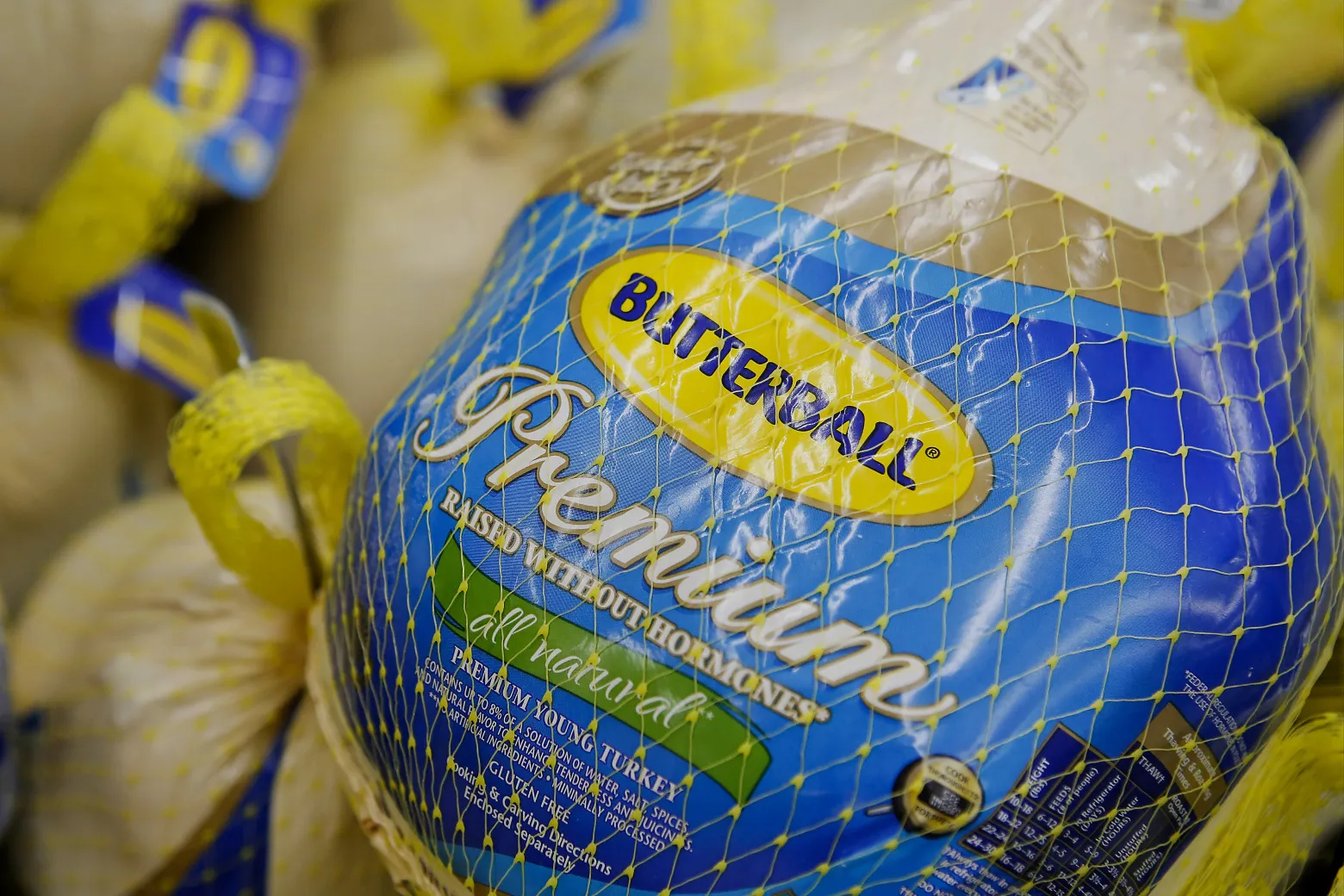
The butterball turkey recall highlights important food safety concerns for U.S. consumers.
The butterball turkey recall raised serious concerns among U.S. consumers who rely on the brand during everyday meals and holiday seasons. When reports surfaced about contamination, many people wondered whether the turkey in their fridge was safe to eat. Food recalls like this don’t happen randomly. They follow confirmed risks tied to consumer safety.
Understanding what caused the recall, which products were affected, and what actions you should take helps you stay protected. This guide walks you through verified facts, timelines, and expert-backed safety steps without exaggeration or guesswork.
Butterball Turkey Recall Overview
| Detail | Information |
|---|---|
| Brand | Butterball, LLC |
| Product Type | Raw ground turkey |
| Recall Years | 2018 and 2021 |
| Recalled Quantity | Over 92,000 pounds combined |
| Safety Authority | USDA Food Safety and Inspection Service |
| Main Issues | Salmonella contamination and plastic fragments |
| Distribution | Nationwide across U.S. retailers |
What Caused the Butterball Turkey Recall
Butterball turkey recall due to Salmonella contamination
The first major butterball turkey recall occurred in 2018 after health officials traced Salmonella Schwarzengrund infections back to raw ground turkey. Investigators confirmed the bacteria through lab testing and epidemiological data collected across multiple states. Because Salmonella can survive freezing, officials warned consumers even if the product looked normal.
This recall involved more than 78,000 pounds of turkey. FSIS classified it as a public health risk because the bacteria can cause severe illness in vulnerable populations. Cooking errors and cross-contamination increased the danger in home kitchens.
Butterball turkey recall linked to plastic contamination
In 2021, another butterball turkey recall surfaced for a different reason. Consumers reported finding hard blue plastic pieces inside ground turkey packages. Butterball investigated the issue and confirmed that fragments likely entered during processing. Even without reported injuries, the risk of choking or internal injury justified immediate action.
FSIS advised consumers to discard or return affected products. The recall included over 14,000 pounds of turkey sold at major grocery chains nationwide.
Which Products Were Affected by the Butterball Turkey Recall
Identifying recalled Butterball turkey products
Affected products shared a common USDA establishment number printed on the package. This number, EST. P-7345, helped consumers identify recalled turkey quickly. Packaging dates and case codes also played a key role in confirmation.
Some recalled items included large family-size trays and store-branded ground turkey produced by Butterball. Because turkey can remain frozen for long periods, officials stressed checking freezers carefully.
Where the recalled turkey was sold
Retailers across the U.S. carried these products. Grocery chains such as Kroger and BJ’s distributed the affected ground turkey. Some products reached food service locations, increasing the recall’s scope.
FSIS emphasized that nationwide distribution meant the risk was not isolated to one region. This wide reach explains why recall alerts gained rapid attention.
Health Risks Associated With the Butterball Turkey Recall
Illness linked to Salmonella exposure
Salmonella infection typically causes diarrhea, fever, and abdominal cramps within three days of exposure. Most healthy adults recover without treatment, but complications can arise. Dehydration and bloodstream infections pose serious risks for children and older adults.
The 2018 butterball turkey recall followed confirmed illness reports, which strengthened the urgency of the warning. Health officials urged anyone experiencing symptoms to seek medical care.
Injury risk from foreign materials
Plastic fragments present a different danger. Unlike bacteria, cooking does not eliminate physical contaminants. Chewing hard plastic can damage teeth or cause internal injury if swallowed.
Although no confirmed injuries were reported in 2021, FSIS treated the hazard seriously. Even a small fragment can pose a significant risk.
What To Do If You Have Recalled Butterball Turkey
Immediate steps for consumers
If you find a product matching the butterball turkey recall, do not attempt to cook it. Cooking does not remove plastic, and Salmonella risks remain if food handling fails. Dispose of the product safely or return it to the store.
Butterball provided a consumer hotline to answer questions and issue refunds. FSIS also published recall notices with photos to help identification.
Signs you should contact a doctor
If you ate recalled turkey and developed symptoms such as fever, stomach pain, or diarrhea, seek medical advice. Inform healthcare providers about possible Salmonella exposure. Early treatment reduces complications.
Case Review: Why Butterball Turkey Recalls Matter
Food recalls highlight how complex meat processing systems can fail despite quality controls. The butterball turkey recall showed that both biological and mechanical risks exist. Salmonella entered through raw meat handling, while plastic contamination likely resulted from equipment failure.
These cases reinforce why federal oversight matters. FSIS monitoring, consumer reports, and rapid response systems prevent wider outbreaks. Without recalls, small issues could escalate into national health crises.
Preventing Turkey-Related Food Safety Issues at Home
Safe handling reduces risks even when no recall exists. Always store raw turkey separately and clean surfaces thoroughly. Use a thermometer to confirm internal temperatures reach 165°F.
One short safety reminder list:
- Keep raw turkey sealed and refrigerated
- Wash hands immediately after handling
- Avoid reusing cutting boards without cleaning
These steps protect you regardless of brand.
Frequently Asked Questions
How can I tell if my Butterball turkey was recalled
Check the packaging for the USDA establishment number and the production date. If it matches the details listed in the official recall notice, stop using the product immediately. When in doubt, compare your package with images published by food safety authorities.
What should I do if I already cooked a recalled turkey
Do not eat it. Cooking does not remove all risks, especially if the recall involves foreign materials or improper processing. Dispose of the food safely and clean any surfaces or utensils that came into contact with it.
Can I get a refund for a recalled Butterball turkey
Yes. Most retailers offer refunds or replacements even without a receipt. Butterball’s customer support team also assists consumers with compensation when recalled products are involved.
Are Butterball turkey recalls common
No. Recalls are relatively rare and usually limited to specific batches. When they happen, they reflect strict monitoring by food safety agencies rather than widespread quality problems.
Where can I find official and reliable recall updates
The most accurate information comes from the USDA Food Safety and Inspection Service website and official Butterball announcements. These sources provide verified details, photos, and consumer guidance.
Final Thoughts
The butterball turkey recall reminds you that food safety doesn’t end at the store. Staying informed helps you make safer choices for your family. When recalls happen, quick action matters more than panic.
Check labels, follow guidance, and trust verified sources. Awareness is the strongest defense against food-related health risks.
About the Author


 Musanaf seo