Panko Chicken Nuggets: Real Texture, Cooking Science, and Practical Results
 Musannaf seo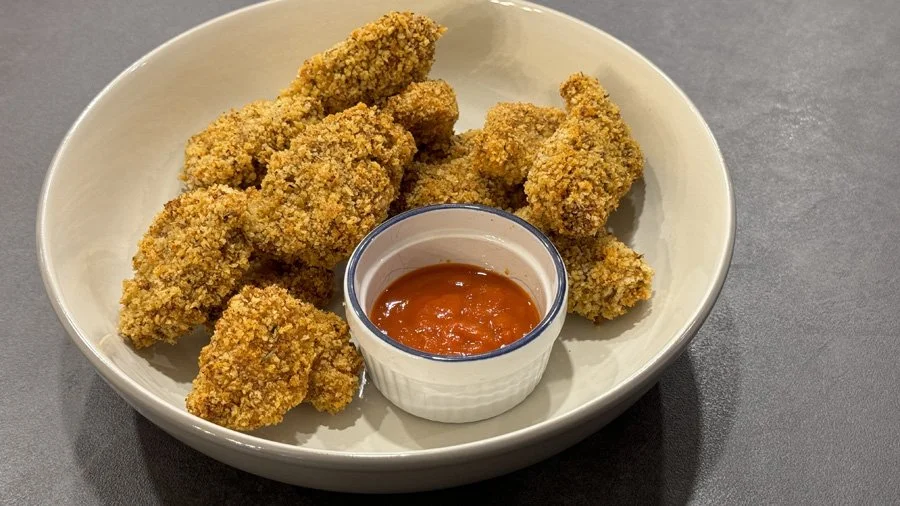
Golden panko chicken nuggets with a light, crunchy coating and juicy chicken inside.
Panko chicken nuggets are known for one clear reason: they stay crisp without becoming greasy. The coating feels light, the bite sounds crunchy, and the chicken inside remains tender. This balance does not happen by chance. It comes from how panko breadcrumbs behave under heat and how chicken reacts to different cooking methods. Understanding this helps you get consistent results at home or in a professional kitchen.
| Element | Detail |
|---|---|
| Main protein | Chicken breast or thigh |
| Coating type | Japanese panko crumbs |
| Texture goal | Crisp outside, moist inside |
| Cooking styles | Oven, air fryer, shallow fry |
Why Panko Breadcrumbs Change the Outcome
Structural Difference in Panko Coating
Panko crumbs are larger and drier than standard breadcrumbs. They are made from crustless bread and processed into flakes instead of fine dust. This structure allows heat to move around each crumb. When cooking starts, moisture escapes easily, and the surface dries quickly, which forms a crisp shell without trapping steam.
Heat Interaction With Chicken
Chicken releases moisture as it cooks. If that moisture cannot escape, the coating softens. Panko crumbs leave space for evaporation, so the coating sets faster. This is why the texture stays firm even after resting. That interaction is the core reason panko chicken nuggets outperform regular breaded versions.
Choosing the Right Chicken Cut
Chicken Breast Performance
Chicken breast is lean and cooks quickly. It delivers a clean bite and works well when timing is precise. Overcooking causes dryness, so temperature control matters. Breast meat benefits most from fast, even heat exposure.
Chicken Thigh Performance
Chicken thigh contains more fat and connective tissue. It stays juicy even if cooked slightly longer. Many restaurants prefer thigh meat because it is forgiving and consistent. The flavor is deeper, and texture remains tender across cooking methods.
Coating Method That Actually Works
Flour and Egg Function
Flour removes surface moisture and creates grip. Egg acts as the adhesive layer between chicken and crumbs. Skipping flour often leads to patchy coating. Each layer has a purpose and should not be rushed.
Seasoning Placement
Seasoning works best when applied in stages. Adding salt and spices to flour and crumbs ensures flavor throughout the bite. Surface-only seasoning fades after cooking. Balanced seasoning improves consistency and avoids bland centers.
Cooking Methods and Their Effects
Oven Cooking Behavior
Oven baking relies on dry heat circulation. Using a rack improves airflow and browning. Oil spray helps the surface crisp without soaking. This method produces even color and moderate crunch with minimal fat.
Air Fryer Results
Air fryers push hot air rapidly around food. This creates strong surface drying and browning. Cooking time is shorter, which protects internal moisture. This method is efficient and reliable for busy kitchens.
Pan Frying Texture
Shallow frying delivers the strongest crunch. Oil temperature must stay stable to prevent oil absorption. Crowding lowers heat and softens the coating. Controlled batches deliver superior surface texture.
Texture Comparison Across Methods
Crunch Quality
Pan frying produces the loudest crunch due to oil contact. Air frying creates a brittle, dry crust. Oven baking offers a lighter crisp that improves with proper airflow. Each method benefits from panko structure.
Internal Juiciness
Chicken thigh remains moist across all methods. Breast meat performs best in air fryers due to reduced exposure time. Overcooking affects breast faster than thigh. Timing defines success.
Why Regular Breadcrumbs Fail
Density Problems
Traditional breadcrumbs compress easily. They block airflow and trap steam. This causes sogginess before browning occurs. Dense coatings require more oil to crisp properly.
Oil Absorption Issues
Fine crumbs absorb oil quickly. This leads to greasy texture and heavy mouthfeel. Panko flakes resist oil uptake due to their shape. This keeps the final product lighter.
Common Mistakes That Ruin Texture
Pressing the Coating
Pressing crumbs into the chicken collapses their structure. This removes air gaps needed for crisping. Gentle coating preserves flake integrity. Light handling matters more than people realize.
Incorrect Temperature
Low heat causes oil absorption. Excess heat burns crumbs before chicken cooks. Medium to medium-high heat works best. Temperature control determines texture quality.
Storage and Reheating Behavior
Refrigeration Impact
Properly cooled nuggets hold texture for up to two days. Moisture exposure softens the coating. Airtight storage slows degradation. Reheating method matters more than storage length.
Best Reheating Methods
Dry heat restores crispness. Ovens and air fryers work well. Microwaves trap steam and soften the coating. Reheating should focus on airflow.
Nutritional Perspective
Calorie Control
Air frying uses the least oil. Baking follows closely when oil is controlled. Pan frying increases fat content. Panko absorbs less oil than fine crumbs, reducing calorie load.
Protein Balance
Lean cuts improve protein ratio. Thick coatings raise calories without nutrition. Balanced coating improves efficiency. Portion size still matters.
Real Kitchen Case Study
Home Cooking Test
A controlled test used chicken breast coated identically and cooked using three methods. Air frying produced the best balance of crispness and moisture. Baking ranked second. Pan frying delivered the strongest crunch but highest oil use.
Restaurant Use Case
A casual dining kitchen switched from regular crumbs to panko. Oil usage dropped by fifteen percent. Customer texture complaints decreased. Holding time improved during service.
Who This Style Works Best For
Family Meals
The lighter crunch appeals to children. Reheating remains acceptable. Batch cooking is practical. Flavor stays mild and adaptable.
Meal Prep
Texture recovery is better than traditional nuggets. Storage stability improves. Air fryer reheating restores crispness. This suits weekly prep routines.
Health-Focused Cooking
Oil control stays flexible. Ingredient transparency improves. Sodium and fat remain adjustable. This approach supports balanced diets.
FAQs
What makes panko chicken nuggets different from regular nuggets?
Panko chicken nuggets use larger, flakier breadcrumbs that trap air. This structure creates a lighter crunch and prevents the coating from soaking up excess oil. As a result, the nuggets feel crisp rather than heavy.
Can you cook panko chicken nuggets without frying?
Yes, you can bake or air fry them with excellent results. Panko crumbs brown evenly in dry heat, which helps maintain crunch without deep oil. This method also keeps the chicken juicy inside.
Which chicken cut works best for panko chicken nuggets?
Chicken breast delivers a lean and mild flavor, while chicken thigh adds moisture and richness. Both cuts work well as long as you cut them evenly for consistent cooking.
Do panko chicken nuggets stay crispy after reheating?
They hold up best when reheated in an oven or air fryer. These methods remove surface moisture and revive the crunchy coating. Microwaves tend to soften the crust.
Are panko chicken nuggets healthier than regular nuggets?
They often are, especially when baked or air fried. Panko absorbs less oil, which lowers overall fat and calorie content compared to traditional fried nuggets.
Final Thoughts
The success of panko chicken nuggets comes from structure, airflow, and heat control rather than excess oil. Each cooking method offers a different texture profile, but all benefit from the same coating science. When handled correctly, this style delivers reliable crunch, controlled moisture, and consistent results. Understanding these mechanics allows better outcomes whether cooking at home or at scale.
About the Author

 Musanaf seo