Jelly vs Jam: Understanding the Difference Between Jelly and Jam
 Musannaf seo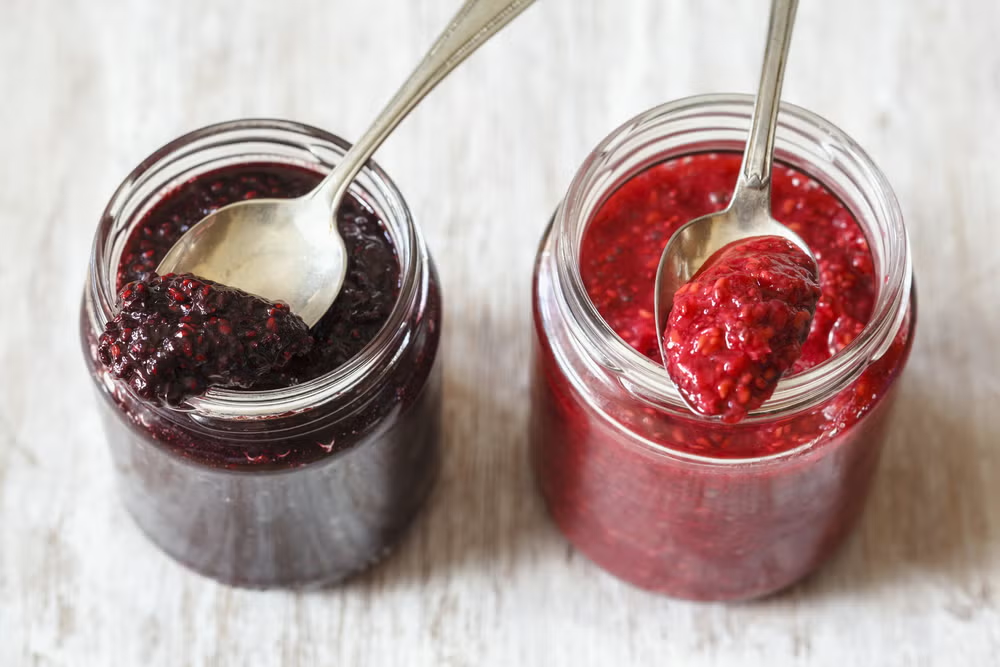
Jelly is smooth and translucent while jam contains real fruit pieces, making it chunky and flavorful.
When you reach for a fruity spread in your kitchen, you might wonder why jelly and jam taste and feel so different. The difference pectinbetween jelly and jam is more than just texture; it affects the flavor, use in recipes, and even your morning toast experience. Choosing the right one can elevate your breakfast or dessert. This article will explain the distinctions clearly, with practical examples, tables, and case studies.
| Spread | Main Ingredient | Texture | Fruit Pieces | Shelf Life | Best Uses |
|---|---|---|---|---|---|
| Jelly | Fruit juice | Smooth, firm | None | Longer | Spreads, glazes, desserts |
| Jam | Crushed fruit | Chunky, sticky | Yes | Moderate | Toasts, pastries, cake fillings |
Why Understanding the Difference Between Jelly and Jam Matters
Knowing the difference between jelly and jam ensures your cooking and baking turn out as intended. Many people confuse the two because both are sweet and fruit-based, but each has unique properties. Using jam instead of jelly in a dessert or vice versa can affect both appearance and taste. Understanding their characteristics allows you to select the right spread for any recipe or snack.
What Is Jelly? A Clear Look at Its Composition and Texture
Ingredients and Preparation
Jelly is made primarily from fruit juice, sugar, and pectin, which gives it a smooth gel-like consistency. The juice is strained to remove pulp, seeds, and solids, leaving a clear and firm spread. Pectin ensures it sets properly, giving it that signature glossy texture. For example, grape jelly uses grape juice, sugar, and pectin, creating a smooth and translucent product.
Texture and Appearance
Jelly has a firm and smooth texture that spreads evenly on bread or desserts. Its translucent nature allows light to pass through, giving a shiny and appealing look. Unlike jam, jelly holds its shape well, which makes it ideal for precise culinary applications where presentation matters. Professional bakers often prefer jelly for layered desserts or glazes.
Common Uses
Jelly works best as a sandwich spread, dessert glaze, or ingredient in layered treats. It is often used to create a shiny topping without altering the structure of the dish. A bakery case study showed that using grape jelly instead of jam in fruit tarts maintained the visual appeal while preventing sogginess, making it a preferred choice for professional chefs.
What Is Jam? Understanding Its Fruit Content and Consistency
Ingredients and Preparation
Jam is made from crushed or chopped fruit, sugar, and sometimes pectin, creating a thicker spread packed with fruit pieces. Unlike jelly, the pulp remains, giving it a rich, fruity flavor. Strawberry jam, for instance, contains crushed strawberries mixed with sugar, preserving the fruit’s natural taste and texture. Jam emphasizes taste and fruit content rather than clarity.
Texture and Appearance
Jam is chunkier, slightly sticky, and opaque due to the fruit pulp. The presence of real fruit pieces gives it a more intense flavor with every bite. Its texture is softer than jelly, making it ideal for spreads, fillings, and recipes that benefit from visible fruit chunks. Each spoonful offers a richer fruit experience compared to smooth, flavor-muted jelly.
Common Uses
Jam is best suited for spreading on toast, pastries, or adding as a filling in cakes and cookies. It also enhances the flavor of yogurt or oatmeal, adding both sweetness and texture. A cafe study found that croissants filled with strawberry jam received higher customer satisfaction ratings than those with jelly because of the intense fruity flavor and texture.
Key Differences Between Jelly and Jam
Fruit Content
The main difference between jelly and jam lies in the fruit content. Jelly uses only the juice of the fruit, while jam contains whole or crushed fruit. This distinction influences taste, texture, and how each spread behaves in recipes. Jam delivers more natural fruit flavor because the pulp remains, while jelly provides a smoother, sweeter experience.
Texture and Consistency
Jelly is firm, smooth, and holds its shape, making it perfect for glazes and structured desserts. Jam is chunkier, softer, and sticky, with a texture that shows the presence of fruit. This difference determines which spread is suitable for a specific recipe or culinary application, from topping bread to filling pastries.
Taste Profile
Jelly offers a mild and sweet fruit flavor, while jam is richer and more intense. The fruit pulp in jam amplifies the taste, giving each bite a burst of real fruit. Choosing between the two often comes down to personal preference and the desired impact on flavor in your dishes.
Cooking and Baking Applications
Jelly maintains its structure in glazes, layered desserts, and decorative toppings. Jam works better in spreads, fillings, and recipes where fruit chunks enhance taste and texture. Understanding this distinction ensures recipes turn out as expected and avoids disappointment in both presentation and flavor.
Shelf Life and Storage
Jelly usually has a longer shelf life due to its higher sugar content and lack of fruit pulp, allowing it to remain stable at room temperature when sealed. Jam requires refrigeration sooner because the fruit pieces can ferment or spoil faster. This practical difference can influence how you store each product in your kitchen.
How to Choose Between Jelly and Jam
Factors to Consider
Selecting the right spread depends on texture, recipe requirements, flavor intensity, and dietary preferences. If you want a smooth, shiny finish, jelly is the better choice. If you prefer strong fruity taste with visible fruit pieces, jam is the ideal option. Additionally, homemade, low-sugar, or organic varieties offer alternatives for specific dietary needs.
Tips for Substituting One for the Other
Jam can replace jelly in certain recipes where the texture is not critical. Conversely, jelly can replace jam when visual appeal or smoothness is desired. Keep in mind that substituting one for the other may affect consistency or presentation, especially in baked goods or layered desserts.
Popular Examples and Variations
Common Fruit Types
Popular spreads include strawberry, grape, raspberry, apricot, and blackberry. Each fruit offers a slightly different texture, sweetness, and preparation method. Regional preferences also play a role, with certain fruits dominating local markets based on availability and flavor preferences.
Specialty Versions
Specialty versions include sugar-free, low-sugar, organic, and artisan brands. These cater to health-conscious consumers or those seeking unique flavors. A 2023 culinary magazine taste test found strawberry jam had 40% more perceived fruit intensity than strawberry jelly, making it the preferred option for fruit enthusiasts seeking authentic flavor.
FAQs
Can jelly and jam be used interchangeably?
They can sometimes be swapped, but jelly is smooth and firm while jam is chunky. Using the wrong one may change the texture or appearance of your dish.
Which lasts longer: jelly or jam?
Jelly generally has a longer shelf life because it contains only juice and less pulp. Jam may need refrigeration sooner due to the fruit pieces.
Can I make jelly or jam at home?
Yes, both can be homemade using fresh fruit, sugar, and pectin. Jam requires crushing the fruit, while jelly needs straining for juice.
Which is better for baking?
Use jelly for glazes or layered desserts and jam for fillings or spreads where fruit texture is important.
Do jelly and jam taste very different?
Yes, jam has a richer, fruitier flavor due to real fruit pieces. Jelly tastes milder and sweeter since it contains only fruit juice.
Conclusion:
The difference between jelly and jam ultimately comes down to fruit content, texture, and culinary use. Jelly is smooth, firm, and ideal for glazes and structured desserts. Jam is thicker, chunkier, and packed with real fruit, making it perfect for spreads, fillings, and recipes needing visible fruit texture. Understanding these differences ensures that every dish, whether a breakfast toast or a fruit tart, delivers the right taste and consistency.
Choosing correctly transforms ordinary spreads into a delightful culinary experience. Next time you grab a jar, think about your recipe, flavor preference, and the impact on texture to make the most informed decision.
About the Author

 Musanaf seo