Roof Decking: The Essential Guide to Materials, Installation, and Maintenance
 Musannaf seo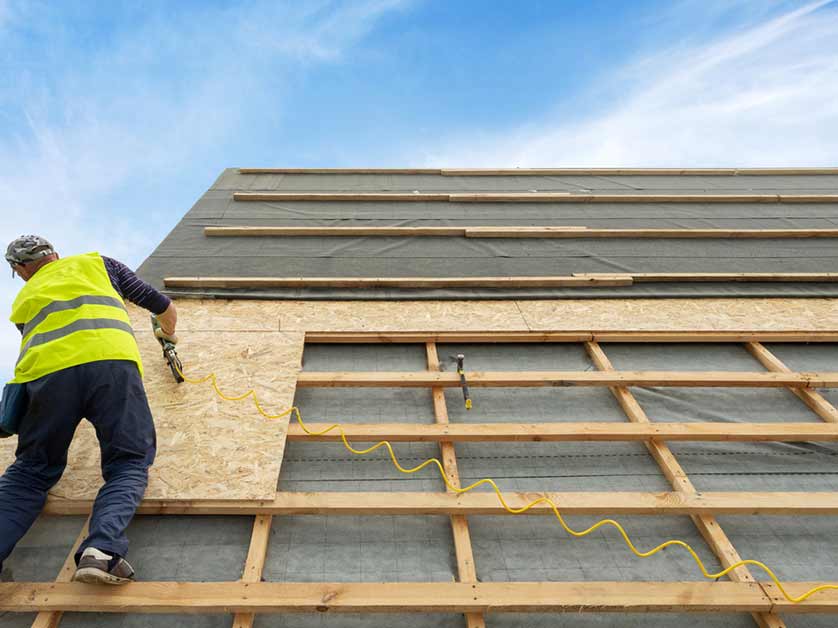
Proper Roof Decking ensures your roof stays stable and long-lasting.
Roof decking is the floor of your roof, providing a solid platform for shingles, tiles, or metal sheets. This base layer keeps your roofing structure stable and prevents sagging or leaks. Poor-quality decking can compromise your roof’s durability and safety, especially under heavy loads like snow or ice. Choosing the right material and installing it correctly is crucial for a long-lasting, reliable roof.
| Feature | Description |
|---|---|
| Also Called | Roof sheathing, roof subdeck |
| Materials | Wood, metal, concrete |
| Thickness | 3/8 to 5/8 inch for wood, varies for metal/concrete |
| Lifespan | Wood: 25–30 years, Steel/Concrete: 50+ years |
| Installation | Nailed to beams every few inches for support |
Why Roof Decking Is Important
The decking acts as the backbone of your roof. It supports shingles or tiles, distributing the weight evenly across the roof frame. This ensures that roofing materials remain in place and prevents premature failure. A strong base layer also improves energy efficiency by providing a solid platform for insulation and maintaining indoor temperature consistency.
Weak or damaged decking can lead to water leaks, roof collapse, and shortened roof lifespan. Even the best roofing materials cannot compensate for a substandard foundation. Building codes often require sturdy decking to withstand heavy snow, wind, or foot traffic.
Common Roof Decking Materials and Their Benefits
Plywood Panels
Plywood remains a trusted option for many homes, especially in low-slope roofing. It can hold heavy weights such as snow and construction workers. Plywood is durable, dries quickly after moisture exposure, and works well in different climates.
While it is heavier and more expensive than other options, its strength and reliability make it worth the cost. The optimal thickness ranges from 1/2 inch to 5/8 inch, with thicker panels recommended in areas with heavy snow to prevent sagging.
Oriented Strand Board (OSB)
OSB is made from wood strands pressed together with adhesive. It is affordable, widely available, and uniform in size. OSB is easier to install for large surfaces, making it popular in modern construction.
Its main drawback is water sensitivity. If OSB edges get wet, they may swell, and drying takes longer than plywood. Proper installation and clean, dry panels ensure OSB performs effectively.
Plank Decking
Older homes often feature long wood planks for roof bases. These boards, typically 1×6 or 1×8 inches, offer durability and a visually appealing underside.
Plank decking can last over 50 years if kept dry. However, it requires more labor to install and can develop gaps over time, which may allow moisture penetration. For modern roofs, plank decking often requires a flat underlayer to make installation of new roofing easier.
Metal Panels
Metal decking, such as corrugated steel or aluminum sheets, is popular in large buildings and commercial projects. These panels are strong, lightweight, fire-resistant, and fast to install.
Metal is not ideal for DIY projects as it requires special tools and expertise. Rust protection and sound insulation are additional considerations when using metal panels for residential roofing.
Concrete and Lightweight Concrete
Concrete decking is extremely durable and fire-resistant, ideal for commercial structures like schools and hospitals. Lightweight concrete combines strength with insulation, reducing structural load while maintaining performance.
The downside is that concrete is heavy, expensive, and challenging to repair if damaged. Only buildings with sufficient support should consider this option.
Engineered and Sustainable Panels
Modern options include SIPs, LVL/CLT wood panels, bamboo, recycled materials, and fiber cement boards. These materials are durable, eco-friendly, and energy-efficient. While expensive, they offer long-term benefits and can save on energy costs over time.
Installing Roof Decking Properly
Panel Direction and Spacing
Panels should be installed perpendicular to the rafters, with staggered joints for stability. Leaving slight gaps between boards ensures airflow and prevents moisture accumulation. Proper spacing helps reduce mold growth and water damage.
Nailing and Fastening
Use 1-inch flat-head nails for most materials, spacing 6 inches along edges and 12.5 inches in the middle. In high-wind areas, nails should be closer together to secure the panels. Following local building codes ensures the decking is strong and long-lasting.
Extra Protection
Applying silicone caulk along panel edges adds a water-resistant layer. This is optional but can improve performance in areas with heavy rain or snow.
Identifying and Replacing Damaged Decking
Signs that your roof’s base may need replacement include sagging areas, soft spots underfoot, brown water marks, mold growth, or blackened wood. Small sections can often be repaired, but widespread damage may require replacing the entire deck.
Insurance may cover weather-related damage, but warranties often require new shingles to be installed along with any replaced decking. Always remove old boards before installing new roofing to ensure a stable foundation.
Roof Deck Costs and Lifespan
| Material | Cost per Sq. Ft. | Lifespan |
|---|---|---|
| OSB | $2–$3.50 | 25–30 years |
| Plywood | $3.50–$5 | 30–40 years |
| Wood Planks | $4.50–$6.50 | 30+ years |
| Concrete | $10–$15 | 50+ years |
| Steel | $9–$12 | 50+ years |
Lifespan depends on proper installation, maintenance, and protection from moisture. Wood is more vulnerable, while metal and concrete last longer with minimal upkeep.
Maintenance Tips and Best Practices
Ensure proper ventilation beneath the roof to prevent mold and rot. Clean gutters regularly to allow water to drain efficiently. Monitor for wood-eating pests and inspect for leaks or damaged shingles after storms. Prompt repairs under the roof prevent further damage. Professional inspections are recommended before installing new roofing materials.
- Always maintain airflow under panels to keep them dry.
Conclusion
A roof’s base layer is critical for durability and safety. Choosing the right materials, installing them correctly, and performing regular inspections ensure your roof lasts for decades. Plywood and OSB are popular for residential projects, while metal and concrete suit commercial structures. Engineered and sustainable panels offer long-term energy savings and durability. Protect your home by investing in a reliable base, following installation guidelines, and addressing issues promptly.
About the Author

 Musanaf seo