Harvest Park Community HOA: Competitive Analysis and Improvement Strategies
 Musanaf seo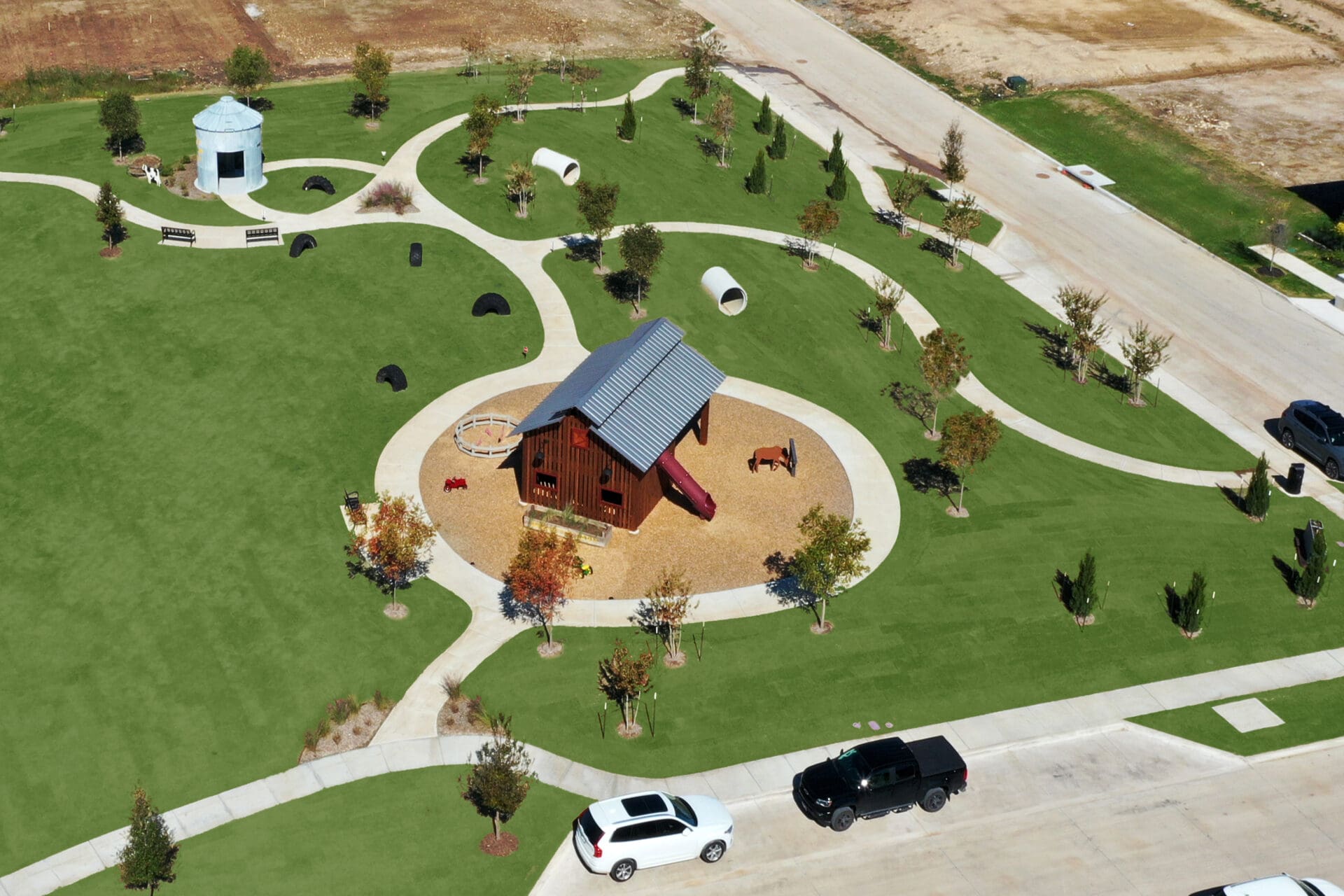
A look inside the harvest park community hoa, highlighting shared green spaces, walkways, and neighborhood planning.
Nestled in Mapleton, Utah, the Harvest Park Community HOA oversees a modern neighborhood of homes, parks, and trails. This association’s mission is to maintain common areas, enforce community standards, and ensure consistent home quality for residents. Homeowners in Harvest Park pay a base HOA fee (currently $22/month) that funds maintenance of trails, parks, and shared utilities. By focusing on transparent governance and smart budgeting, Harvest Park HOA has built a well-kept environment – but how does it stack up against nearby associations, and what can make it even better?
Below is an at-a-glance summary of Harvest Park Community HOA’s key details:
| Feature | Harvest Park Community HOA |
|---|---|
| Location | Mapleton, Utah |
| Established | Development began ~2013; HOA active since mid-2010s |
| Membership | ~Hundreds of homes (various sections: single-family, townhomes) |
| Base Monthly Dues | $22 per home |
| Additional Fees | Up to $167 extra (for “Silver Leaf” SF lots) |
| Governing Body | Volunteer Board of Directors (7 members) |
| Common Amenities | Community parks, trails, playground, pavilion |
| Services Covered | Landscaping, snow removal, utilities, liability insurance |
| Architectural Review | Standards and ACC process in place for home modifications |
| Communication | Newsletters, website, community meetings and email updates |
Understanding Harvest Park Community HOA
At its core, the Harvest Park Community HOA is about upkeep and unity. As the official website states, living in a planned neighborhood with an HOA is “intended to make living in the neighborhood a uniquely positive experience for all”. To achieve this, the HOA outlines several primary goals (paraphrased from the board’s overview):
- Common Area Maintenance: Ensuring parks, trails, ponds, and entrance landscaping are well-maintained.
- Community Standards: Enforcing the Covenants, Conditions, & Restrictions (CC&Rs) and design guidelines to keep the neighborhood attractive.
- Service Provision: For certain sections (like Silver Leaf and Crescent), the HOA provides front-yard landscaping, limited snow removal, water service, and even structural insurance for homes.
- Community Engagement: Organizing events, news, and communication channels so residents can contribute to neighborhood life.
These roles mean the HOA board stays busy: maintaining flowerbeds, repairing playground equipment, clearing sidewalks after snow, and reviewing home improvement plans to keep everything consistent. A volunteer board of seven elected members leads these efforts. (For example, current president Kara Jenkins and vice president Mike Hendron oversee daily HOA tasks.)
What residents pay for: A key way residents benefit is through bundled services. The base $22 fee is used for general administration and shared area upkeep. This includes landscaping around parks and trails, snow plowing on main sidewalks, water and electric for common areas, and liability insurance on those areas. More extensive sections pay higher rates: for example, Silver Leaf homeowners pay $189/month (base $22 + $167) which additionally covers home structural insurance, yard maintenance, and extra utilities. These details underscore how Harvest Park’s HOA uses fees to cover concrete services, not vague promises.
Harvest Park Community HOA: Fees & Services Breakdown
To see exactly what HOA fees cover, consider this breakdown of Harvest Park’s dues structure:
| HOA Section | Monthly Assessment (inc. base) | Key Services Covered |
|---|---|---|
| All Homes (Base) | $22 | General account management; maintenance of trails, parks, and sidewalk areas; snow removal on public sidewalks; utilities for common areas; liability insurance. |
| Silver Leaf Homes (SF) | $189 (Base $22 + $167) | Includes base services, home structural insurance ($25k deductible) and both inside/outside water; front/back yard landscaping care (mowing, weeding, shrub care); snow removal on driveways and sidewalks. |
| Crescent Townhomes | $134 (Base $22 + $112) | Includes base services, home insurance, water service, front/side yard maintenance, and snow removal on front walkways and parking stalls. |
| McArthur Townhomes | $104 (Base $22 + $82) | Includes base services, home insurance, front-yard landscaping, water for front/side yards, snow removal on driveways/sidewalks, and pest control for common areas. |
Comparing with a Local Competitor HOA
How does Harvest Park’s setup compare to other nearby communities? A natural benchmark is Sunrise Ranch Master HOA in Mapleton. According to their association management provider, Sunrise Ranch’s master association handles many similar tasks (CCRs, budgeting, maintenance, reserves) and charges $25 per lot per month. Let’s compare the two:
| Category | Harvest Park Community HOA (Mapleton, UT) | Sunrise Ranch HOA (Mapleton, UT) |
|---|---|---|
| Base Monthly Dues | $22 per home (plus up to $167 extra for higher-tier lots) | $25 per lot |
| Board & Management | Volunteer resident board (7 members) (self-managed) | HOA Board with professional management support |
| Key Responsibilities | Parks/trails upkeep; snow removal; enforcing CC&Rs and architectural guidelines | Enforcing covenants, budgeting, architectural review, maintaining landscapes and facilities |
| Insurance & Reserves | Liability insurance on common areas; structural insurance for homes in some sections | Maintains insurance for common areas and carries a reserve fund for capital expenses |
This side-by-side shows both HOAs address the essentials of community living: common area maintenance, rule enforcement, and financial planning. Harvest Park keeps dues slightly lower (and tiered by home type), while Sunrise Ranch uses a flat $25 fee. Both list landscaping, snow removal, and utilities as covered expenses. Harvest Park emphasizes volunteer governance (local homeowners running the show), whereas Sunrise Ranch uses a professional HOA management company for administrative support.
Despite these differences, a common theme arises: effective HOAs treat the community holistically. For example, Sunrise Ranch explicitly highlights duties like managing budgets, collecting fees, and overseeing reserve funds to ensure future repairs. Harvest Park’s CC&R and dues structures likewise build in contributions to reserves and transparency (e.g. mandatory HOA transfer fees). In essence, both communities balance homeowner contributions with tangible services and protections.
Community Benefits and Challenges
What are the general advantages of a well-run HOA like Harvest Park’s? And what hurdles must the community manage? Experts point out several pros and cons:
- Well-Maintained Amenities: A core benefit is that the HOA handles upkeep so residents don’t each have to mow huge lawns or shovel sidewalks. Harvest Park’s residents enjoy paths, playgrounds, and green spaces kept in good condition by the collective fee (see above services).
- Enhanced Property Values: By enforcing appearance rules and providing landscaping, HOAs often help protect home values. As one HOA blogger notes, the goal is a “harmonious and high-quality living environment” which typically boosts curb appeal.
- Community Standards: Rules (e.g. on home colors, yard keep-up) ensure a unified look. This can foster pride in the neighborhood; residents know their block isn’t the one with peeling paint or broken fences.
- Shared Expenses: Expensive services (like structural insurance and major landscape contracts) become affordable when spread over many homeowners. The hybrid dues in Harvest Park (especially for Silver Leaf homes) illustrate economies of scale.
- Social Engagement: HOAs can bring neighbors together through events or meetings. Communities often organize park parties or maintenance days, building a social fabric beyond individual lawns.
However, living in an HOA isn’t without challenges:
- Mandatory Fees: Every homeowner must pay assessments, which some see as a disadvantage. Even if fees are reasonable (as they are in Harvest Park), they are an extra cost compared to a non-HOA neighborhood.
- Regulations and Enforcement: Some owners feel restricted by rules on paint colors, holiday lights, or pet rules. Harvest Park HOA must balance enforcement with fairness, ensuring rules help rather than frustrate residents.
- Board Transparency: There can be tension if homeowners feel decisions or spending aren’t clear. This calls for robust communication (e.g. newsletters, a clear website) – something Harvest Park actively provides.
- Differing Needs: A large HOA must serve varied homeowners (townhome dwellers vs. single-family owners). Harvest Park’s tiered dues show one way to tailor services, but it requires clear explanation so everyone understands what they get.
Making Harvest Park HOA Even Better
What could make Harvest Park Community HOA stand out even more? Based on the above analysis and best practices from other communities, here are actionable strategies:
- Boost Communication & Feedback: Regular newsletters, an updated website, and community meetings keep homeowners in the loop. Harvest Park already posts meeting notices and reports online. Continuing to collect resident feedback (e.g. via surveys or an “Ask the Board” forum) can ensure priorities match homeowner needs.
- Organize Neighborhood Events: Bringing people together strengthens community bonds. Possible ideas: summer potlucks at the park pavilion, clean-up days, or neighborhood yard sales. Active communities often see friendlier streets and quicker issue resolution.
- Transparent Finances: Make financial statements and budgets easily accessible. Show exactly how dues are spent (landscaping contracts, insurance, etc.). This builds trust and helps residents see their money at work.
- Review and Refine Rules: Periodically revisit the CC&Rs to ensure they are fair and up-to-date. For example, if many homes have installed solar panels (permitted by [Fence Guidelines and Solar Policy] sections), the HOA can update rules to smooth future approvals.
- Leverage Volunteer Committees: Form sub-committees for landscaping ideas, social events, or safety patrols. Engaging more residents in volunteer roles not only eases the board’s load but increases buy-in.
- Enhance Amenities (if feasible): If budget allows, adding amenities (like a community garden or pickleball court) could elevate lifestyle and property appeal. At the very least, continued upkeep of existing parks is key.
- Professional Advice (Selective): While volunteer-led is valuable, bringing in a part-time professional manager or legal advisor (as done in Sunrise Ranch) can improve efficiency in billing, enforcement, and complicated projects.
Each step should be taken with homeowner input. For instance, if residents express interest in green landscaping initiatives, the HOA might explore drought-resistant plantings or shared community gardens. The goal is to keep Harvest Park desirable without “fluff” – meaning any new programs should have clear benefits (like saving water or raising home values).
Case in point: Nearby communities have shown creativity. One Utah HOA instituted an annual “Home & Garden Walk” to showcase beautiful yards, inspiring neighbors and improving curb appeal. Harvest Park could adopt a similar program, building on its existing “Showcase Yard Winners” tradition (which honors great landscaping).
Moreover, maintaining a strong reserve fund is crucial. Utah law requires well-managed HOAs to have reserves, and Harvest Park’s inclusion of reinvestment fees (e.g. $200 on title transfer) helps bolster future needs like repaving roads. Continued financial discipline will ensure long-term stability.
Conclusion
The Harvest Park Community HOA already does a lot right: from keeping parks green to insuring community assets. By comparing against similar HOAs (like Sunrise Ranch) and adhering to HOA best practices, Harvest Park can fine-tune its approach. Clear communication, resident engagement, and careful stewardship of dues will keep the neighborhood strong.
Every homeowner benefits when an HOA operates with transparency, responsiveness, and vision. As the board implements new ideas—guided by real data and resident feedback—the Harvest Park Community HOA can continue to be a model of neighborhood unity. After all, when neighbors join hands to maintain shared spaces and standards, everyone enjoys a more beautiful and harmonious place to call home
About the Author



 Musannaf seo