Toggle Switch: How It Works, Types, and Applications in Real Life
 Musanaf seo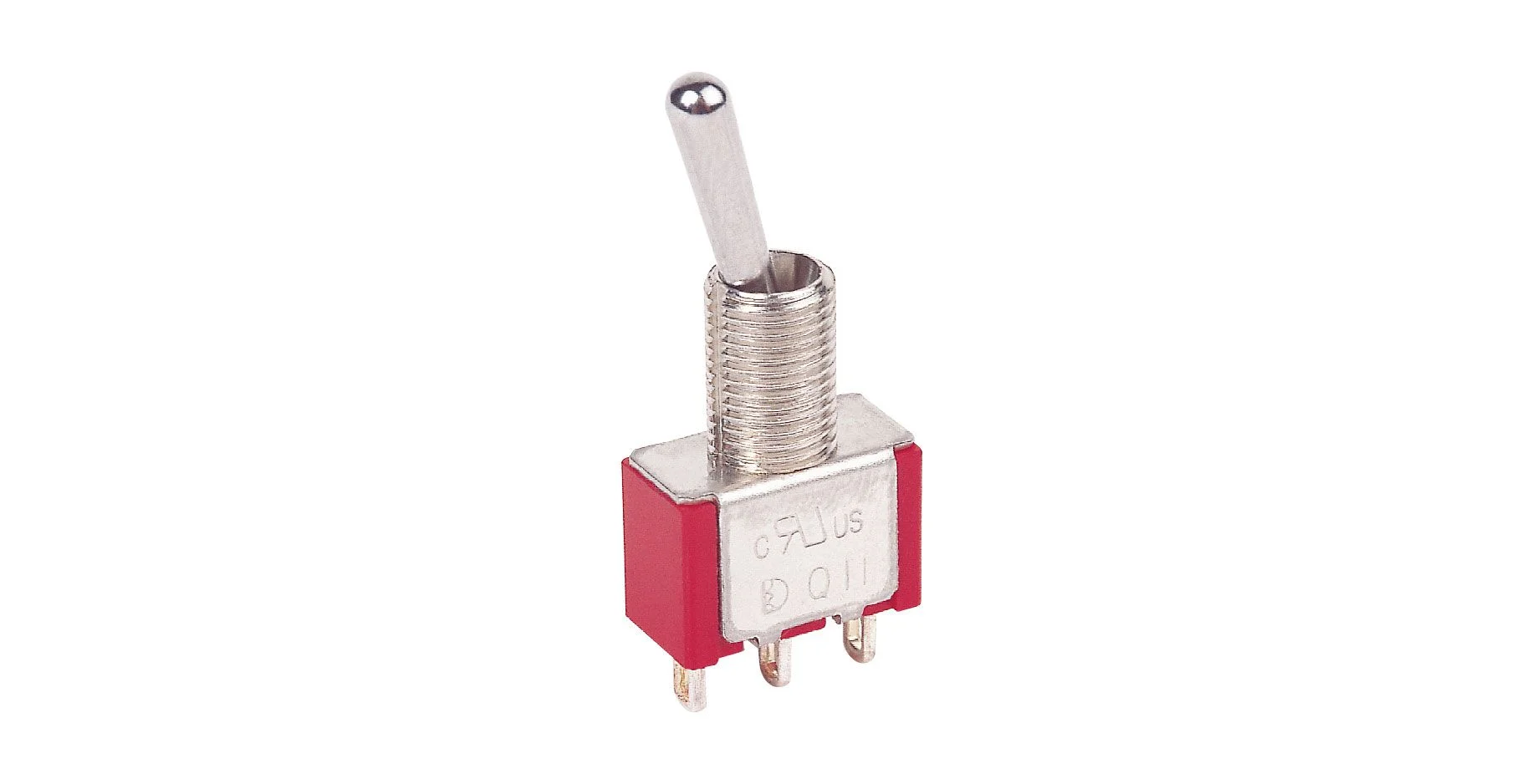
A toggle switch controlling an electronic or industrial circuit
A toggle switch is one of the simplest yet most versatile devices in electrical and electronic circuits. From controlling home lights to industrial machinery, toggle switches allow users to turn devices on or off by moving a lever. Understanding how a toggle switch works, the different types available, and its applications is essential for hobbyists, engineers, and anyone dealing with electronics. This guide dives deep into the mechanics, electrical operation, and practical use cases of toggle switches, giving you all the information you need before choosing one.
Before exploring in detail, here is a quick snapshot to set expectations:
| Feature | Details |
|---|---|
| Device Type | Electromechanical switch |
| Function | Opens or closes an electrical circuit |
| Variants | SPST, SPDT, DPST, DPDT |
| Special Features | Illuminated, waterproof, momentary, maintained |
| Common Applications | Household devices, automotive, industrial machinery, electronics projects |
What Is a Toggle Switch
A toggle switch is a manually operated electrical device that alternates between two or more circuit positions by moving a lever or handle. The lever connects or disconnects internal contacts, completing or interrupting the flow of current. This simple mechanism has made toggle switches a staple in homes, vehicles, and industrial setups.
While mechanical toggle switches are the most common, the term is also used in digital user interfaces. In software, a “toggle switch” represents a binary option, such as enabling or disabling Wi-Fi, reflecting the same on/off principle.
How a Toggle Switch Works
Basic Electrical Operation
A toggle switch works by moving a lever that alters the position of internal contacts. When the lever moves to the ON position, the contacts connect, allowing current to flow. Moving the lever to OFF breaks the circuit, stopping current. Most toggle switches give tactile feedback, often a click, which confirms the change in state.
Poles and Throws Explained
Understanding poles and throws is crucial for selecting the right toggle switch. A “pole” refers to the number of circuits controlled, while a “throw” indicates the number of possible connections for each pole. For instance, a single-pole, single-throw (SPST) switch controls one circuit with a simple on/off operation, whereas a double-pole, double-throw (DPDT) switch can manage two circuits and route each to two outputs.
Types of Toggle Switches
Single-Pole, Single-Throw (SPST)
The SPST toggle switch is the most straightforward design, functioning simply as an ON/OFF switch. It has two terminals and is commonly used for basic circuits such as lighting and small appliances. Its simplicity makes it durable and easy to install.
Single-Pole, Double-Throw (SPDT)
An SPDT toggle switch connects one input to one of two outputs, allowing two different paths for current. This makes it ideal for changing operational modes or routing signals between circuits.
Double-Pole, Single-Throw (DPST)
DPST switches simultaneously control two separate circuits with one lever. They are often used in applications requiring simultaneous control of multiple devices, such as turning on both lights and fans in a room.
Double-Pole, Double-Throw (DPDT)
DPDT switches are more complex, controlling two circuits and offering two connection paths for each. These switches are often used in motor control circuits to reverse direction or in electronics to toggle between two power sources.
Specialized Toggle Switches
Momentary vs Maintained
A maintained toggle switch stays in the position where it was flipped until moved again, while a momentary toggle switch returns to its default position when released. Momentary switches are useful for controls like doorbells, industrial machinery reset buttons, and electronics triggers.
Illuminated and Waterproof Variants
Some toggle switches include indicator LEDs to signal whether the switch is active. Waterproof and sealed toggle switches are essential in automotive, marine, or outdoor environments to prevent corrosion and ensure durability.
Actuator Styles
Toggle switches come in various physical forms, such as bat handle, flat paddle, miniature, and industrial designs. Choosing the right style depends on panel space, ergonomics, and operational context.
Applications of Toggle Switches
Household and Everyday Devices
Toggle switches are common in household light switches, fans, and simple appliances. Their clear on/off positions and tactile feedback make them ideal for everyday use.
Automotive and Marine
In vehicles, toggle switches control auxiliary lighting, fog lights, and dashboard features. Marine applications require waterproof designs for exposure to moisture and saltwater.
Industrial Machinery
Industrial toggle switches are used in control panels for machinery start/stop operations, motor control, and emergency shut-offs. Heavy-duty designs handle higher currents and frequent operation.
Electronics and DIY Projects
Hobbyists use toggle switches in custom electronics, robotics, and Arduino projects. They are easy to wire, understand, and integrate into small-scale circuits.
Advantages of Using a Toggle Switch
A toggle switch is simple, reliable, and provides clear feedback. Users know instantly if a device is on or off. With various sizes and current ratings, toggle switches suit both low-power electronics and high-current industrial equipment. Their durability and ease of installation make them ideal for repeated use in both professional and DIY environments.
Limitations
Toggle switches are not suitable for every circuit. Low-power digital circuits may require soft-touch or electronic switches. Mechanical wear over time can affect reliability, especially in high-load applications. Modern alternatives like rocker switches, touch controls, and software toggles sometimes replace traditional mechanical versions.
Choosing the Right Toggle Switch
Current and Voltage Ratings
Always match the toggle switch to your circuit’s electrical requirements. Using a switch with inadequate ratings can cause overheating, failure, or even fire hazards.
Environmental Considerations
Outdoor or harsh environments may require waterproof, dustproof, or industrial-grade switches. Consider exposure to moisture, vibration, and temperature when selecting a toggle switch.
Mounting and Actuation
Choose a toggle switch that fits your panel design and ergonomic needs. The lever style, size, and mounting method influence both usability and installation efficiency.
Wiring and Installation Basics
Correct wiring is essential for proper function. Terminals correspond to poles and throws. SPST switches require two terminals, SPDT three, DPST four, and DPDT six. Miswiring can cause device malfunction or short circuits.
Real-World Example: DPDT Toggle Switch in Motor Control
A DPDT toggle switch can control motor direction by swapping connections. Flipping the lever in one direction powers the motor clockwise; flipping the opposite reverses it. This illustrates the versatility of toggle switches in practical engineering applications.
Summary and Takeaways
A toggle switch is an electromechanical device that offers simplicity, durability, and clear state indication. From household lighting to industrial machinery, automotive dashboards, and DIY electronics, toggle switches remain essential for controlling electrical circuits. By understanding types, ratings, environmental considerations, and wiring, users can select the right switch for any application. Remember that preparation, correct selection, and installation are key to safe and reliable operation.
FAQs
What is a toggle switch?
A toggle switch is a lever-operated electrical device that alternates between on and off states to control current in a circuit.
Does a toggle switch require special wiring?
Yes, wiring depends on the type (SPST, SPDT, DPST, DPDT). Correct terminal connections are crucial for safe operation.
Can toggle switches be used in outdoor environments?
Yes, waterproof and sealed variants are designed for automotive, marine, and industrial use in harsh conditions.
What are the main types of toggle switches?
SPST, SPDT, DPST, DPDT, and specialized illuminated or momentary switches.
How long do toggle switches last?
Mechanical toggle switches are durable and often rated for tens of thousands of cycles, but high-current or outdoor use may shorten lifespan.
About the Author