Musanaf seo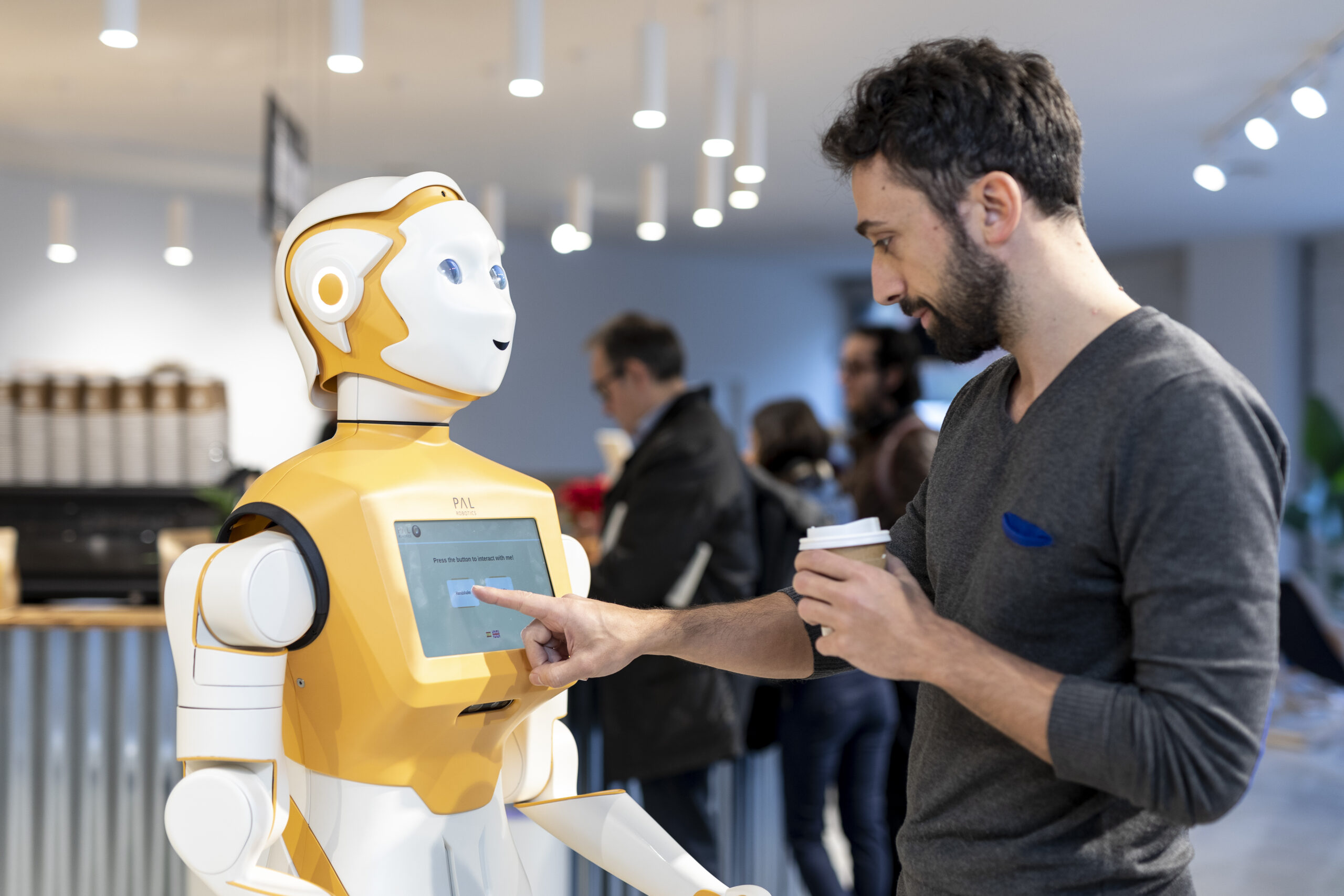
Robots and AI-driven automation shaping the Future of Robotics across industries
The Future of Robotics is rapidly transforming industries and everyday life. From AI-powered autonomous machines to collaborative robots working alongside humans, robotics has evolved far beyond simple automation. Today, robots assist in manufacturing, healthcare, logistics, and even disaster relief, demonstrating their ability to perform complex tasks efficiently. Understanding the latest advancements in robotics technology is essential for companies, researchers, and enthusiasts who want to stay ahead of this fast-growing field.
| Company | Robotics Focus | Notable Innovation | Industry Impact |
|---|---|---|---|
| Boston Dynamics | Humanoid & quadruped robots | Spot robot, Atlas | Logistics, inspection, R&D |
| ABB Robotics | Industrial automation | Collaborative cobots | Manufacturing efficiency |
| Intuitive Surgical | Medical robotics | da Vinci Surgical System | Minimally invasive surgery |
| Fanuc | Industrial robots | High-speed assembly arms | Automotive & electronics |
These companies are leading the charge, setting the benchmark for what robotics can achieve in real-world applications. The Future of Robotics is not just about hardware—software, AI integration, and human-robot interaction play equally critical roles.
Current State of Robotics Technology
Modern robotics combines mechanical engineering, AI, and sensor technology to create machines that are increasingly autonomous and intelligent. Industrial robots have long been used for repetitive manufacturing tasks, but today’s systems integrate machine learning and advanced sensors to handle more complex and variable environments. Surgical robots like the da Vinci Surgical System perform delicate procedures with precision beyond human capability, while warehouse robots optimize inventory management and order fulfillment.
Leading Robotics Innovations
Advances in collaborative robots, or cobots, allow machines to safely work alongside humans. Cobots use force sensors, AI, and computer vision to respond to their surroundings and avoid accidents. Autonomous mobile robots (AMRs) navigate dynamic environments in warehouses and hospitals, demonstrating the Future of Robotics in practical, everyday applications.
Emerging Trends Shaping the Future of Robotics
The next decade will see robotics evolve through several critical trends. AI-powered robots are becoming more capable of decision-making, predictive maintenance, and adaptive learning. Soft robotics and biomimetic designs allow robots to manipulate delicate objects or navigate unpredictable terrains. Human-robot collaboration is improving workplace efficiency and safety, while autonomous drones and robots assist in disaster response and inspection tasks.
AI and Machine Learning in Robotics
AI integration enhances robot perception, decision-making, and adaptability. Reinforcement learning allows robots to learn complex tasks without explicit programming. For example, robots equipped with computer vision can inspect products on assembly lines, detect defects, and adjust processes in real time. AI also enables predictive maintenance, allowing machines to identify potential failures before they occur, reducing downtime and operational costs.
Collaborative Robots and Human-Robot Interaction
Cobots are transforming the way humans interact with machines. In automotive factories, cobots assist workers in assembly tasks, improving speed and accuracy while reducing injury risk. Gesture recognition and force-sensitive technology allow robots to respond intuitively to human actions, making workplaces safer and more efficient. The Future of Robotics increasingly relies on seamless human-robot collaboration to maximize productivity.
Robotics in Industry and Everyday Life
Robots are no longer confined to laboratories; they are impacting multiple sectors. In healthcare, robotic-assisted surgery improves precision and recovery times. Logistics companies deploy autonomous robots to manage inventory, optimize delivery routes, and reduce costs. Agriculture benefits from robotic systems for planting, harvesting, and monitoring crops. Even defense and security applications are seeing increased use of autonomous robotic systems.
Case Study: Robotic Surgery
A major hospital implemented the da Vinci Surgical System, reducing recovery times for patients by 30% and minimizing surgical complications. This case demonstrates how robotics not only improves efficiency but also delivers measurable outcomes that impact human well-being.
Challenges Facing the Future of Robotics
Despite rapid progress, the Future of Robotics faces several obstacles. High costs of advanced robots and maintenance remain a barrier to widespread adoption. Ethical and safety concerns arise with autonomous AI-powered systems, particularly in areas like military applications. Workforce displacement is a critical issue, as automation can replace certain human tasks, emphasizing the need for reskilling programs. Regulatory standards for autonomous robots are still evolving, creating uncertainty for companies looking to integrate these technologies.
Predictions for the Future of Robotics
Experts predict significant growth in robotics over the next decade. Fully autonomous mobile robots and swarm robotics will become more common in warehouses, agriculture, and disaster management. Integration with IoT and smart factories will drive Industry 4.0 adoption. The global robotics market is expected to exceed $210 billion by 2030, reflecting increased investments in AI, automation, and human-robot collaboration. The Future of Robotics promises improved efficiency, safer workplaces, and innovations that reshape how humans interact with machines.
Emerging Areas of Impact
Robotics will play a transformative role in:
- Healthcare: Advanced surgical robots and eldercare assistants.
- Logistics: Autonomous delivery systems and inventory management.
- Agriculture: Precision farming with drones and robotic harvesters.
- Security and Disaster Relief: Autonomous drones for surveillance and emergency response.
Summary Table: Key Robotics Trends and Innovations
| Trend | Description | Example | Impact |
|---|---|---|---|
| AI Integration | Robots making decisions and learning | Predictive maintenance robots | Reduced downtime and operational costs |
| Collaborative Robots | Human-robot interaction | Cobots in automotive assembly | Safer and more efficient workplaces |
| Soft Robotics | Flexible, biomimetic designs | Robotic grippers for delicate objects | Enhanced adaptability in unpredictable environments |
| Autonomous Systems | Self-navigating robots | Warehouse AMRs, drones | Optimized logistics and inspection |
FAQ
What is the Future of Robotics in healthcare?
Robotics will enable more precise surgeries, automated diagnostics, eldercare assistance, and rehabilitation support.
How will AI impact robot capabilities?
AI allows robots to learn, make decisions, predict outcomes, and adapt to complex environments without constant human input.
What are collaborative robots?
Collaborative robots, or cobots, are designed to safely work alongside humans in shared workspaces, enhancing efficiency and safety.
Will robots replace human jobs entirely?
No, robots are designed to complement human labor, performing repetitive or dangerous tasks, while humans focus on problem-solving, creativity, and decision-making.
What industries will benefit most from robotics in the next decade?
Healthcare, logistics, manufacturing, agriculture, and defense are expected to see the greatest advantages from advanced robotics technology.
Conclusion
The Future of Robotics is defined by intelligent, adaptive, and collaborative systems that enhance human productivity and improve quality of life. From AI-powered decision-making and advanced surgical robots to autonomous logistics and agricultural solutions, robotics is reshaping industries and everyday life. While challenges such as cost, ethics, and workforce integration remain, continued innovation and adoption promise a world where humans and robots work together seamlessly. Staying informed about these developments will ensure that businesses, researchers, and enthusiasts can leverage the full potential of robotics in the years ahead.
About the Author