Pest Control Cost: What You Really Pay and Why It Varies So Much
 Musannaf seo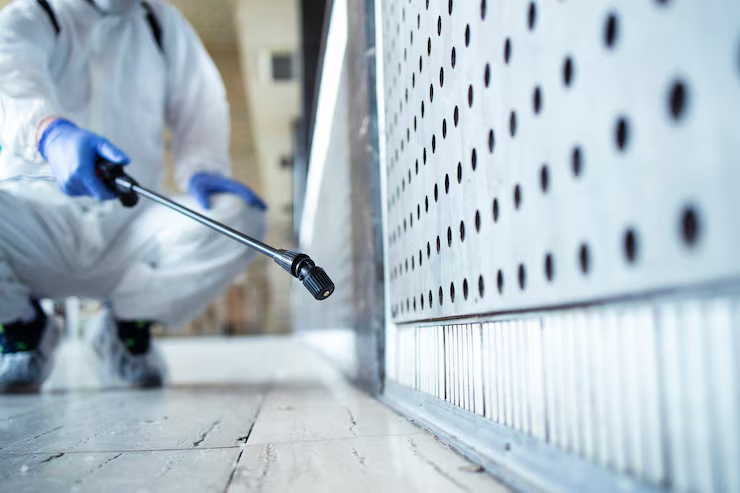
Understanding pest control cost helps homeowners plan effective and affordable treatments.
Pest control cost is one of those topics homeowners usually search for only after spotting ants in the kitchen, hearing scratching in the walls, or seeing termite damage they wish they’d caught earlier. The price isn’t one-size-fits-all. It shifts based on the pest, the severity, your home size, and whether you’re paying for a quick fix or long-term protection. Understanding how pest control pricing works helps you budget smarter and avoid unpleasant surprises.
Before diving into details, here’s a quick snapshot to set expectations.
| Pest Control Overview | Details |
|---|---|
| Typical one-time visit | $100–$600 |
| Monthly service plans | $40–$75 per visit |
| Quarterly plans | $100–$300 per visit |
| Annual protection plans | $300–$900 |
| High-cost infestations | Can exceed $2,000 |
These numbers reflect real market averages in the U.S., not marketing promises. Now let’s break down what actually drives pest control cost.
What Pest Control Cost Covers
When you pay for pest control, you’re not just paying for chemicals. You’re paying for time, expertise, inspection, and prevention. A professional visit usually includes a detailed assessment, identification of the pest, treatment, and guidance to prevent a repeat problem.
In many cases, the technician also looks for entry points, moisture issues, or structural gaps. That extra effort matters because treating pests without fixing the cause often leads to repeat visits and higher long-term pest control cost.
Pest Control Cost by Service Type
One-Time Pest Control Cost
A one-time service works best for small, isolated problems. Think ants in a bathroom or a wasp nest outside. Prices usually start around $100 and can climb to $600 depending on pest type and treatment strength.
This option feels cheaper upfront. However, if pests return, you may end up paying more than a plan would have cost.
Recurring Pest Control Cost
Recurring plans spread the pest control cost over time and focus on prevention. Many homeowners choose this route for peace of mind.
| Plan Type | Average Cost |
|---|---|
| Monthly | $40–$75 per visit |
| Quarterly | $100–$300 per visit |
| Annual | $300–$900 total |
These plans often include free re-treatments if pests come back between visits, which lowers the long-term pest control cost.
Pest Control Cost by Pest Type
Not all pests are equal. Some require simple treatments. Others need weeks of monitoring and specialized equipment.
| Pest Type | Average Pest Control Cost |
|---|---|
| Ants | $100–$500 |
| Cockroaches | $150–$400 |
| Rodents | $150–$600 |
| Mosquitoes | $80–$1,000 per season |
| Bed bugs | $300–$4,000+ |
| Termites | $500–$2,500+ |
Bed bugs and termites sit at the top because they’re stubborn. Treating them properly takes time, repeat visits, and advanced methods.
Factors That Increase Pest Control Cost
Size of the Infestation
A few ants near a window cost far less to treat than ants spread through walls and cabinets. The more established the infestation, the higher the pest control cost climbs.
Size of Your Home
Larger homes need more product and more time. A 2,500-square-foot house naturally costs more to treat than a small apartment.
Treatment Method Used
Eco-friendly treatments, heat treatments for bed bugs, or bait systems for termites cost more than standard sprays. They’re often safer and more effective long term, but they raise the upfront pest control cost.
Location and Accessibility
Urban areas and high-cost regions often see higher prices. Hard-to-reach crawl spaces or attics also add labor time, which affects pest control cost.
Case Study: Ant Problem vs. Termite Damage
A homeowner in Texas noticed ants in the kitchen and paid $150 for a one-time treatment. The issue resolved quickly, and no further costs followed.
Another homeowner ignored early termite signs. When damage became visible, treatment and repairs exceeded $3,000. The lesson is simple. Acting early keeps pest control cost manageable.
Is Pest Control Cost Worth It?
DIY solutions look cheaper at first. Store-bought sprays might cost $20. However, they often treat symptoms, not causes. When pests return, you buy more products, lose time, and still end up calling a professional.
Professional pest control cost includes expertise and prevention. Over a year, many homeowners find it saves money and stress.
How to Lower Pest Control Cost Without Cutting Corners
You can reduce pest control cost by taking a few smart steps:
- Fix leaks and moisture issues early
- Seal cracks, gaps, and entry points
- Keep food sealed and areas clean
These steps don’t replace professional treatment, but they reduce the frequency and intensity of service.
Choosing a Pest Control Company Wisely
Price alone shouldn’t decide. A cheaper quote that skips inspection or follow-up can cost more later. Look for companies that explain their process clearly and back it with guarantees.
Ask what the pest control cost includes. Some companies charge extra for follow-up visits. Others include them at no additional cost.
Frequently Asked Questions About Pest Control Cost
How much does pest control cost on average?
Pest control cost usually falls between $100 and $600 for a one-time service. The final price depends on the pest type, infestation level, and home size. Ongoing plans often reduce long-term expenses by preventing repeat problems.
Why is pest control cost higher for some pests?
Certain pests require specialized treatments and follow-up visits. For example, termites and bed bugs need advanced methods, which increases pest control cost. Common insects like ants or spiders are cheaper to treat because they respond quickly to standard solutions.
Is monthly pest control cost worth it?
Monthly or quarterly plans may seem expensive at first, but they often save money over time. These plans focus on prevention, which reduces the chance of severe infestations that raise pest control cost later.
Does home size affect pest control cost?
Yes, larger homes usually have a higher pest control cost. More space means more treatment areas, more product, and more labor. Multi-level homes and crawl spaces also increase service time.
Can DIY treatments lower pest control cost?
DIY products can reduce minor issues, but they rarely solve the root problem. When pests return, repeated DIY attempts can actually increase pest control cost compared to hiring a professional once.
How often should pest control be done?
Most homes benefit from quarterly treatments, especially in warmer climates. Regular service keeps pest activity low and helps stabilize pest control cost throughout the year.
What’s included in professional pest control cost?
Professional pest control cost usually covers inspection, treatment, monitoring, and follow-up if needed. Some companies also include free re-treatments, which adds long-term value.
Final Thoughts
Pest control cost reflects more than a single visit. It reflects expertise, prevention, and peace of mind. Whether you’re dealing with ants, rodents, or termites, understanding pricing helps you choose the right approach.
Paying a little more upfront often prevents major expenses later. When pests show up, acting early and choosing the right service keeps both your home and your budget protected.
If you’re planning ahead, consider a preventive plan. If you’re already dealing with pests, focus on effective treatment, not just the cheapest option. In the long run, that mindset keeps pest control cost under control.
About the Author

 Musanaf seo