What Is Business Casual for Women: A Complete Guide to Style and Professionalism
 Musannaf seo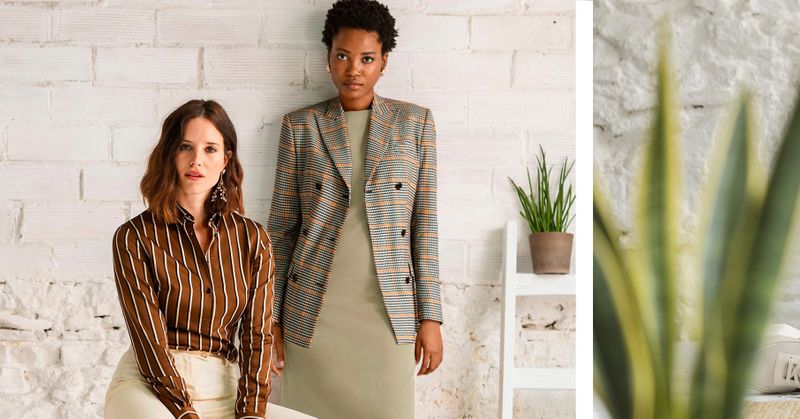
Infographic showing what is business casual for women, including tops, bottoms, shoes, accessories, and seasonal tips for a professional look
Business casual for women strikes the perfect balance between polished professionalism and comfortable style. Knowing how to dress in this manner ensures you are appropriately stylish for work while reflecting confidence and personality. Unlike formal business attire, business casual allows flexibility in fabrics, colors, and accessories, making it ideal for modern workplaces. Understanding these guidelines empowers women to create versatile outfits that are office-appropriate and chic.
Quick Facts About Business Casual for Women
| Feature | Details |
|---|---|
| Dress Code | Business casual for women |
| Suitable For | Offices, professional meetings, semi-formal events |
| Key Elements | Tops, bottoms, dresses, shoes, and accessories |
| Fabrics | Cotton, silk blends, knits, lightweight wools |
| Footwear | Flats, loafers, low-to-mid heels |
| Seasonal Adaptations | Layered in winter, breathable fabrics in summer |
Understanding Business Casual
What Does Business Casual Really Mean?
Business casual is a flexible office dress code that combines professional standards with comfort. It excludes formal suits and ties but emphasizes a neat and refined appearance. Women can mix structured pieces with softer fabrics to achieve a look that is polished yet practical. The main goal is to appear approachable and competent without looking underdressed.
Why It Matters in Modern Offices
Today’s workplaces often emphasize both productivity and style. Dressing appropriately for work can influence perceptions of competence, confidence, and professionalism. Business casual allows women to project credibility while maintaining personal expression through clothing choices. It also prevents wardrobe stress by offering versatile and reusable outfits.
Key Elements of Business Casual for Women
Tops and Blouses
Professional tops are the cornerstone of business casual outfits. Blouses, button-down shirts, and soft sweaters are preferred because they balance style with office-appropriate formality. Neutral or muted colors like white, beige, navy, and pastels are ideal. Subtle patterns or textures can add visual interest, but loud prints are usually avoided. Fit is crucial; tops should neither be too tight nor too loose, maintaining a polished silhouette.
Bottoms and Skirts
Tailored trousers, ankle-length pants, and pencil skirts define the lower half of a business casual ensemble. Skirts should generally reach the knee or just below, offering professionalism and comfort. Neutral colors like black, gray, or navy are versatile and easy to pair with various tops. For added variety, women can incorporate subtle patterns or seasonal shades while keeping the look sophisticated.
Dresses for Business Casual
Shift dresses, wrap dresses, and midi-length dresses are convenient options for office wear. They require minimal layering while still looking polished. Solid colors or understated patterns are preferred, though accent accessories like belts or scarves can enhance the outfit. Dresses are often paired with blazers during formal meetings or cooler months to maintain a professional appearance.
Shoes and Accessories
Appropriate footwear includes flats, loafers, and low-to-mid heels. Accessories should remain understated, such as delicate jewelry, structured handbags, or lightweight scarves. Over-accessorizing can distract from professionalism. Choosing versatile, neutral accessories ensures the outfit remains balanced while allowing personal style to shine subtly.
Seasonal Considerations in Business Casual
Summer and Warm Weather
Breathable fabrics and lightweight materials are critical during warmer months. Linen, cotton blends, and soft silks keep you cool while maintaining office standards. Dresses and skirts provide comfort without compromising style. Light colors, subtle pastels, and minimal layers help women look polished and remain comfortable.
Winter and Cold Weather
Layering is key during winter. Blazers, tailored jackets, and fitted sweaters provide warmth while maintaining style. Closed-toe shoes or boots keep feet protected, and scarves or subtle shawls add both warmth and a finishing touch. Layering also allows adaptability, making it easier to transition between indoor office spaces and outdoor settings.
Common Mistakes in Business Casual for Women
Dos and Don’ts
Investing in quality fabrics, proper fit, and neutral tones enhances confidence and professionalism. Avoid ripped jeans, overly tight or revealing clothing, and flashy accessories. Graphic T-shirts or casual sneakers generally do not align with the standard. Following workplace culture while adhering to business casual principles ensures that your wardrobe is always appropriate.
Adapting Outfits for Different Occasions
Business casual can be modified for formal meetings by adding a blazer or swapping flats for low heels. Conversely, removing structured layers can create a smart casual look for after-office events. Flexibility is essential, allowing women to navigate office demands without needing a completely separate wardrobe.
Case Study: Office Success Through Business Casual
A 2023 survey of mid-sized corporate offices found that employees adhering to business casual dress codes were perceived as 30% more professional and approachable than those in casual attire. Women who paired tailored trousers with polished blouses received the highest marks in confidence and presentation. The results emphasize the power of well-chosen business casual outfits in shaping workplace impressions.
How to Build a Business Casual Wardrobe
Investing in a few versatile pieces is key. High-quality tops, bottoms, and dresses in neutral colors create a foundation. Seasonal accessories and shoes add variety. Rotating staples ensures that women maintain freshness in their wardrobe while adhering to office guidelines. Thoughtful investment reduces stress and improves daily dressing decisions.
Conclusion
Understanding what is business casual for women empowers you to dress with confidence, professionalism, and style. By focusing on fit, fabrics, and accessories, women can navigate modern workplaces seamlessly. Seasonal adaptations, proper layering, and versatile wardrobe pieces make daily dressing effortless. Business casual is not just a dress code but a tool to project competence, poise, and confidence in professional environments.
FAQs
What is the difference between business casual and smart casual?
Business casual leans more formal, emphasizing professionalism, while smart casual allows slightly more relaxed fabrics and styles.
Can dresses be considered business casual?
Yes, shift dresses, wrap dresses, and midi-length dresses in neutral colors are perfect for business casual attire.
Are jeans allowed in business casual?
Generally, only dark, well-fitted jeans are accepted in casual-leaning offices, but most workplaces prefer trousers or skirts.
How important are accessories?
Accessories should be subtle and minimal to enhance professionalism without distracting from the outfit.
How often should business casual outfits be updated?
Updating wardrobe pieces seasonally or annually ensures freshness and alignment with current professional standards.
About the Author


 Musanaf seo